

Call us now
08045813690

 Send Inquiry
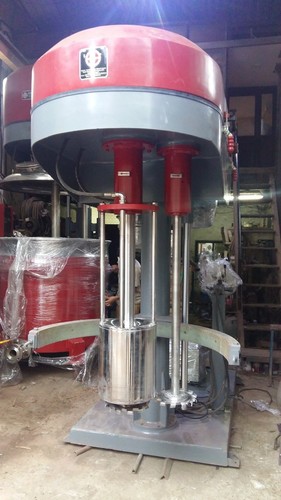
Vacuum Deaerator
Price 1.50000 INR/ Piece
MOQ : 1 Piece
Vacuum Deaerator Specification
- Accessories
- Vacuum pump, Connection hoses, Control panel
- Installation Guideline
- On-site installation by professionals required
- Motor Power
- 3 HP
- Production Capacity
- Customizable as per requirement
- Efficiency (%)
- Up to 99%
- Usage & Applications
- Liquid deaeration, Food & beverage, Pharmaceutical industry
- Automation Grade
- Semi-Automatic
- Model No
- VD-3750892
- Temperature Range
- 0-120°C
- Driven Type
- Motor Driven
- Frequency
- 50/60 Hz
- Speed
- Variable, up to 1440 RPM
- Type
- Vacuum Deaerator
- Material
- Stainless Steel
- Computerized
- No
- Automatic Grade
- Semi-Automatic
- Control System
- PLC/Manual
- Drive Type
- Electric
- Voltage
- 220-240V
- Power
- 3.5 kW
- Weight (kg)
- 450 kg
- Dimension (L*W*H)
- 1600 x 900 x 1450 mm
- Color
- Metallic Silver
- Capacity
- 300-1500 L/h
- Features
- Efficient air removal, Continuous operation, High vacuum level
- Machine Type
- Industrial Deaerator
- Power Consumption
- Approx. 3.5 kW
- Surface Finish
- Polished
- Vacuum Level
- Up to -0.098 MPa
- Safety Features
- Overload protection, Emergency stop button
- Outlet Pressure
- Atmospheric
- Noise Level
- 70 dB
- Cleaning
- Easy to clean design, CIP compatible
- Inlet nozzle size
- DN40-DN50
- Deaeration Chamber Volume
- Approx. 90L
- Pump Type
- Oil-sealed rotary vane vacuum pump
- Maintenance
- Low maintenance requirement
Vacuum Deaerator Trade Information
- Minimum Order Quantity
- 1 Piece
- Supply Ability
- 10 Pieces Per Week
- Delivery Time
- 1 Week
About Vacuum Deaerator
We are identified as one of the leading organizations, engaged in manufacturing and supplying Vacuum Deaerator. It is built to be used in situation where there is no possibility to heat the water to 102-104 degree C, due to the absence of steam. This equipment is designed to effectively remove select non-condensable gases from the liquid stream. It can be used for the district heating boilers and hot water systems. We manufacture this equipment at our sound production unit, using high quality materials and components. Vacuum Deaerator provides residual of dissolved oxygen content of not more than 0.1 mg / l. It is also filled with a special filling to increase the evaporation surface.
Advanced Air Removal Technology
This vacuum deaerator utilizes an oil-sealed rotary vane vacuum pump to efficiently remove dissolved gases from liquids, increasing product stability and shelf life. The system is designed for precise deaeration, ensuring optimal vacuum conditions and consistent results across various applications, including foods, beverages, and pharmaceuticals.
Safe and User-Friendly Operation
Equipped with essential safety featuresoverload protection and an emergency stop buttonthe VD-3750892 prioritizes operator safety. The semi-automatic PLC/manual control panel and easy-clean design make daily operations simple and maintenance routines straightforward, with minimal downtime required.
Customized Performance for Industry Needs
Designed for adaptability, this vacuum deaerator supports customizable production capacities and operates efficiently within a temperature range of 0120C. Its durable stainless steel construction and polished surface ensure longevity, while the devices compact dimensions facilitate seamless installation and integration into existing industrial lines.
FAQs of Vacuum Deaerator:
Q: How does the VD-3750892 Vacuum Deaerator remove air from liquids?
A: The machine uses a high-performance oil-sealed rotary vane vacuum pump to create a low-pressure environment in the deaeration chamber. This efficiently draws out dissolved gases from incoming liquid, allowing for effective deaeration before the product exits at atmospheric pressure.Q: What types of products can be processed in this vacuum deaerator?
A: This vacuum deaerator is suitable for a variety of liquid products, commonly used in the food and beverage sector (like juices, dairy, and sauces) as well as in pharmaceutical manufacturing, where air removal enhances product quality and extends shelf life.Q: When is maintenance required for this machine?
A: The VD-3750892 is built with a low maintenance requirement. Routine checks are recommended according to the manufacturers guidelines, primarily focusing on the vacuum pump oil and seals. Its easy-to-clean, CIP-compatible design streamlines the maintenance process even during regular production cycles.Q: Where should the vacuum deaerator be installed?
A: For optimal performance and safety, the machine must be installed on-site by qualified professionals following the provided installation guidelines. Adequate space and utilities should be available to accommodate its dimensions and operational requirements.Q: What is the cleaning process for this vacuum deaerator?
A: Cleaning is simplified due to its hygienic design and CIP compatibility. The interior surfaces can be sanitized using cleaning-in-place systems, reducing manual intervention and ensuring that the equipment remains contamination-free between production batches.Q: How does the semi-automatic control system benefit users?
A: The PLC/manual control system offers flexibility, allowing users to operate manually or program key parameters for automated operation. This balance between automation and manual control increases productivity while supporting precise process management.Q: What are the major benefits of using this vacuum deaerator?
A: Key benefits include efficient air removal (up to 99% efficiency), continuous operation, low operational noise ( 70 dB), reliable safety features, low maintenance, and compatibility with various industrial requirements, resulting in superior product quality and operational reliability.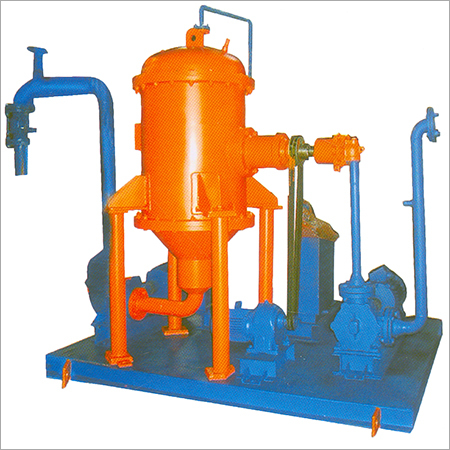
Tell us about your requirement

Price:
Quantity
Select Unit
- 50
- 100
- 200
- 250
- 500
- 1000+
Additional detail
Mobile number
Email

More Products in Industrial Plant & Machinery Category
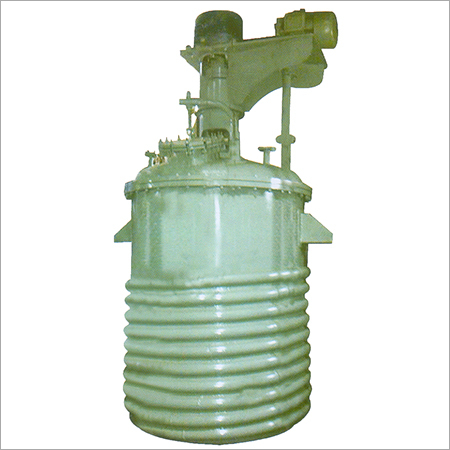
Autoclave Pressurized Grease Kettle
Price 1.50000 INR / Piece
Minimum Order Quantity : 1 Piece
Control System : Other, Manual/Automatic Options
Color : Silver / Blue / Customized
Accessories : Pressure gauge, Safety valve, Agitator, Temperature controller
Dimension (L*W*H) : Customized as per capacity / space
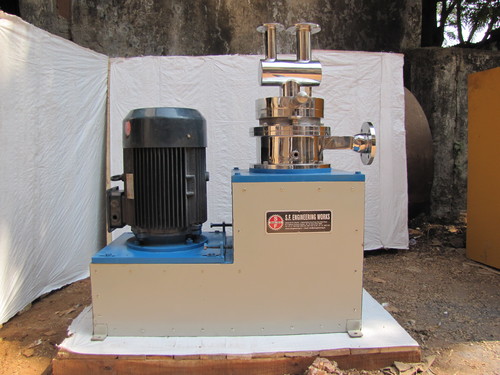
Toothed Colloid Mill
Price 1.50000 INR / Piece
Minimum Order Quantity : 1 Piece
Control System : Other, Manual
Color : Silver / White
Accessories : Standard Tools, Instruction Manual
Dimension (L*W*H) : 600 x 300 x 700 mm
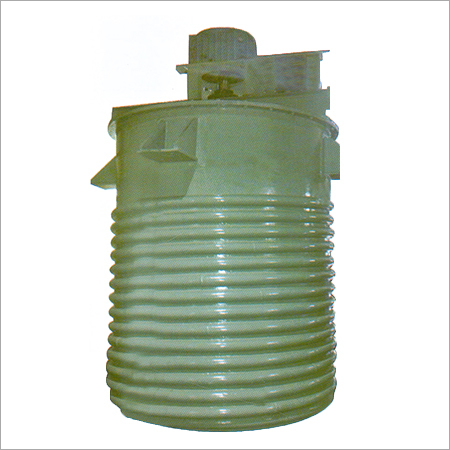
Autospheric Type Grease Kettles
Minimum Order Quantity : 1 Piece
Control System : Other, Manual / PLC Based
Color : Metallic / Customized
Accessories : Agitator, Pressure Gauge, Valves, Steam Jacket, Manhole, Sight Glass
Dimension (L*W*H) : As per model (Customizable)
Basket Mill
Minimum Order Quantity : 1 , , Piece
Control System : Other, PLC / Manual
Color : Industrial Grey / Blue
Accessories : Stainless Steel Basket, Milling Beads, Lifting Device
Dimension (L*W*H) : 1500 mm x 950 mm x 1700 mm (varies per model)

S. F. ENGINEERING WORKS
GST : 27ARUPS7370Q1ZE
GST : 27ARUPS7370Q1ZE
|


SHANTA INDL. ESTATE, SHED NO-1, BEHIND DODHIA PETROL PUMP, W.E. HIGHWAY, KASHIMIRA-MIRA ROAD,Mira Bhayandar - 401104, Maharashtra, India
Phone :08045813690
 Send Inquiry
- Industrial Plant & Machinery
- Grease Manufacturing Plants
- Paint Manufacturing Machines
- Multi Purpose Resin Plant
- Ointment Plants
- Electrical Control Panel
- Detergent Bar Soap Manufacturing Plant
- Bitumen Emulsion Plant
- High Speed Stirrer
- Basket Online Filter
- Attritor Mill
- Ribbon Blender Powder Mixer
- Zero Hold Up Filter Press
- Sigma Kneader Extruder
- Oil Centrifuging Machine
- Hot Oil Storage Tank
- Bead Mills
- Dry Mix Mortar Plant
- Industrial Mixer
- Ribbon Blender
- Attrition Mills
- Grease Plant
- High Speed Disperser
- Sand Mill
- Oil Filling Machine
- Pearl Mill
- Turnkey Projects
- Other Products
 Send Inquiry
 Send SMS
S. F. ENGINEERING WORKS
All Rights Reserved.(Terms of Use)
Developed and Managed by Infocom Network Private Limited.
Developed and Managed by Infocom Network Private Limited.

